
Service 04 · Counselling
Counselling in Newcastle — room to talk
Sometimes what helps most is a private space where someone really listens. Counselling gives you time to explore your feelings, make sense of what is happening and think about your next steps.
Free, no-obligation
Request a free consultation
Leave your details and we will call you back to arrange a time that suits you.
Prefer to talk now? 0191 580 1548
What is counselling?
Counselling is a talking therapy. You meet with a trained practitioner who listens carefully and without judgement while you talk about what is on your mind. The counsellor will not tell you what to do. Instead, they help you understand your situation more clearly so you can find your own way forward.
For many people, simply putting their thoughts into words for someone who is not involved in their life is a relief in itself. It can make a tangled situation feel clearer and easier to manage.
Why do people go to counselling?
You do not need to reach a certain point before counselling is “worth it”. People come for many different reasons, including:
- a big life change, such as a move, redundancy or the end of a relationship
- bereavement, grief and loss
- difficulties in a relationship or within the family
- stress, low mood or a general sense of feeling stuck
- loneliness or feeling cut off from others
- simply wanting someone to talk to
Is counselling confidential?
Yes. What you share in your sessions stays private. The only exceptions, which are explained at the start, are rare situations where someone is at serious risk of harm or where the law requires information to be shared. Your records are stored securely in line with UK data protection law, and you can read more in our privacy policy.
Clear boundaries are part of what makes counselling feel safe. Sessions start and finish on time, the focus stays on you and the relationship remains a professional one.
What happens in a counselling session?
Your first session is mostly about getting to know each other and understanding what has brought you here. You will talk about what you hope to get from counselling and agree how you will work together.
After that, sessions follow your lead. Some weeks you may want to talk through a particular event, and other weeks you may want to explore something more general. There is no right or wrong way to use the time. Sessions take place in a quiet, private room in Wallsend or online, whichever you find easier.
Our counselling approach
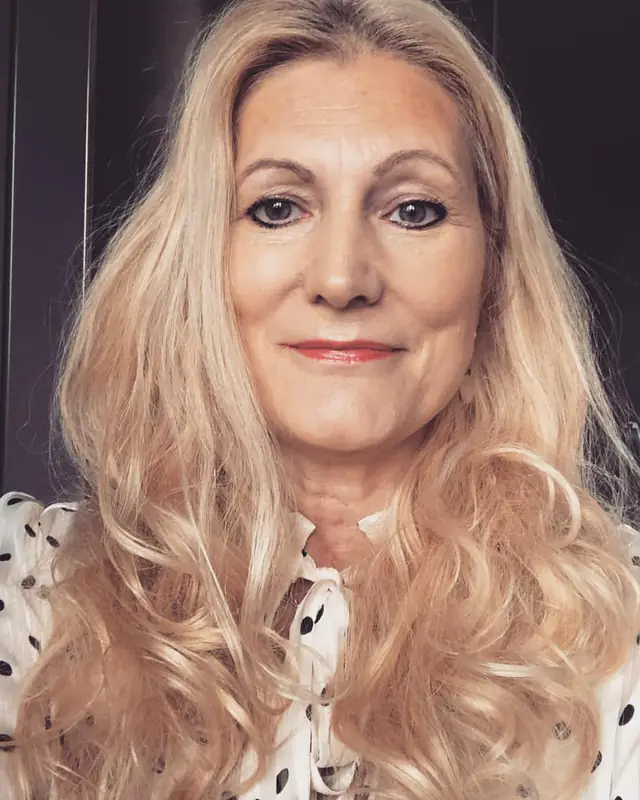
Counselling at Hypnotherapy Newcastle is provided by Sonya Hudson, who holds a Level 3 Diploma in Psychotherapeutic Counselling. Her approach is humanistic and person-centred, influenced by the work of Carl Rogers. In practice, this means warmth, empathy and real respect for your experience are at the heart of every session.
Counselling is offered to individuals. You can use it on its own or alongside the other approaches offered here, if that would help.
How is counselling different from hypnotherapy, NLP and EFT?
Hypnotherapy, NLP and EFT are usually more structured. They use specific techniques to work towards a clear change, such as feeling calmer before exams or breaking a habit. Counselling is more open. You do not need a set goal, and the focus is on understanding rather than technique. Some people start with counselling and later try another approach, while others prefer to keep talking.
Preparing for your first counselling session
There is nothing you need to prepare, but some people find it helps to jot down a few notes beforehand. You might think about what made you get in touch now, what you would like to be different and anything you are worried about saying. You do not have to share everything in the first session, and it is fine to say if you are nervous. If you are having sessions online, find a private space where you will not be overheard or interrupted.
When to look for other support
Counselling here is not an emergency or crisis service. If your mental health is getting worse quickly, or you are worried about your safety, it is important to get urgent help.
If you need help now. If you are in crisis or worried about your safety, call NHS 111 and choose option 2 for mental health, call Samaritans free on 116 123, or in an emergency dial 999. You can also refer yourself to NHS Talking Therapies in your area.
Booking counselling in Newcastle
You are welcome to start with a free, no-obligation phone call. It is a chance to ask questions and see whether talking with Sonya feels right for you. The clinic in Wallsend is easy to reach from Newcastle and North Tyneside, and online sessions are available too. Send an enquiry, call 0191 580 1548 or email [email protected].
What you can expect
Unhurried, respectful and confidential
Non-judgemental
Whatever you bring is met with warmth and respect, at a pace that feels right for you.
Confidential
Your sessions are private, and the limits of confidentiality are explained clearly at the start.
Led by you
There is no fixed agenda. Each session follows what matters most to you at the time.
Questions
Frequently asked questions
Do I need to know what I want to talk about?
No. Many people arrive unsure where to start. Part of the counsellor’s role is to help you find your way into what matters.
Is counselling confidential?
Yes, with a small number of exceptions relating to serious risk of harm or legal requirements. These are explained in your first session.
What if I feel nervous about starting?
That is very common. You can say so at the start, go at your own pace and share only what you feel ready to share. Many people find the nerves ease once they have met and started talking.
How long does counselling last?
It varies. Some people find a few sessions are enough to work through a particular issue, while others prefer longer-term support. You can review how things are going at any point.
Can I have counselling online?
Yes. Counselling sessions are available online as well as in person at the clinic in Wallsend.
Is this a crisis service?
No. If you need urgent help, please call NHS 111 (option 2), Samaritans on 116 123, or 999 in an emergency.
Other ways we can help
Free initial consultation
Ready when you are.
There is no pressure and no obligation. Start with a relaxed telephone conversation about what is on your mind and what you would like to change.
- Clinic0191 580 1548
- Mobile07896 204588
- Email[email protected]
- ClinicWallsend, NE28 9TX