
Service 02 · NLP
NLP in Newcastle — think it through differently
Neuro-Linguistic Programming gives you practical ways to notice how you think, talk to yourself and react, and then to try responses that work better for you.
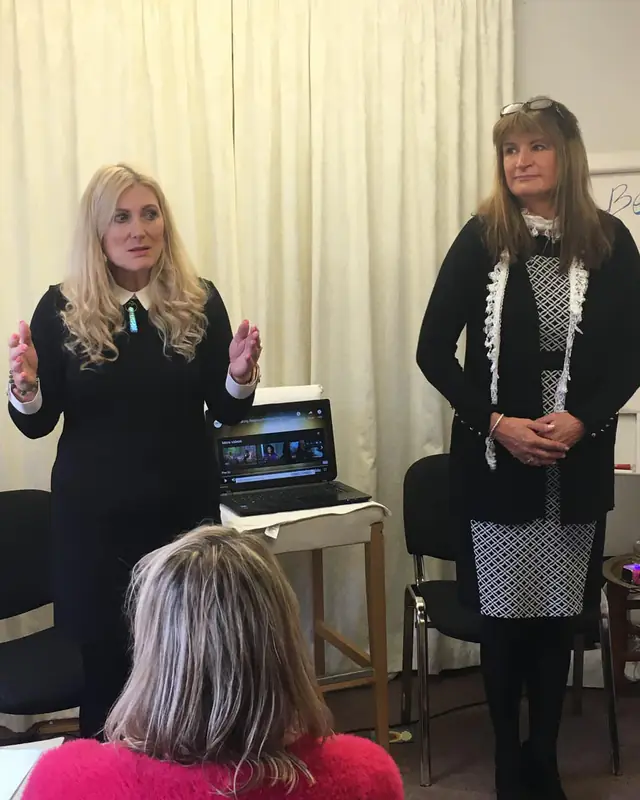
Free, no-obligation
Request a free consultation
Leave your details and we will call you back to arrange a time that suits you.
Prefer to talk now? 0191 580 1548
What is NLP?
Neuro-Linguistic Programming (NLP) is an approach to personal development created in the 1970s by Richard Bandler and John Grinder. The name brings together three ideas. Our experience is shaped by how we take in information (neuro), by the language we use (linguistic) and by the habits of thinking and behaving we build up over time (programming).
In practice, NLP is a set of techniques for spotting these patterns. Once you notice how you picture a situation, the words you use about it and the way you tend to react, you can start to try something different.
How are NLP techniques used?
NLP sessions are conversational and active. You are not simply listening; you take part in short exercises during the session. Depending on your goals, you might:
- look at how you picture a difficult situation in your mind, and practise changing that picture
- see an interaction from different “perceptual positions”: your own, the other person's and a neutral observer's
- notice unhelpful self-talk and reframe it in a more balanced way
- create an “anchor”, a simple cue that helps you return to a calm or confident state
- break a big goal down into clear, manageable steps
What can NLP help with?
People in Newcastle and North Tyneside often come to NLP when they want to:
- feel more confident at work or in social situations
- communicate more clearly with colleagues, family or a partner
- prepare for a presentation, interview or important conversation
- handle pressure without feeling overwhelmed
- move past a way of thinking that keeps holding them back
- set goals and stay motivated to reach them
NLP is mainly used for personal development and goal-setting. It is not a treatment for a specific medical or psychological condition.
What happens in an NLP session?
Each session starts with a conversation about where you are now and where you would like to be. From there, you will work through a small number of techniques chosen for your situation. Because NLP is practical, you will usually leave with something to try before your next session. Sessions typically last between 60 and 90 minutes and take place in Wallsend or online.
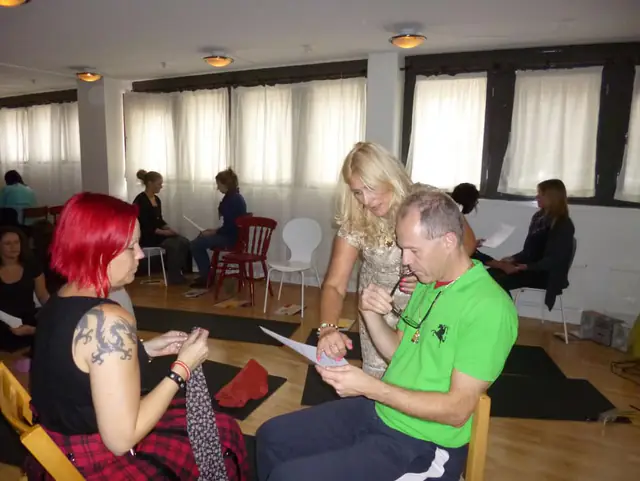
Why your own circumstances matter
No technique suits everyone, so NLP is never used as a formula. Sonya Hudson holds a Master Practitioner Diploma in NLP and has a background in humanistic approaches. That means the focus stays on you: your history, your values and what you actually want. If another approach would serve you better, this will be discussed openly.
NLP or hypnotherapy: what is the difference?
Hypnotherapy takes place in a relaxed, focused state, often with your eyes closed. NLP usually happens in a normal, alert state and feels more like a structured, practical conversation. The two work well together. For example, NLP can help you clarify a goal, and hypnosis can then help you rehearse and strengthen it. Many sessions at Hypnotherapy Newcastle use both, and you can read more about hypnotherapy here.
Is NLP coaching or therapy?
NLP sits somewhere between the two. Like coaching, it looks forward and focuses on what you want to achieve. Like therapy, it pays attention to the thoughts and feelings that get in the way. At Hypnotherapy Newcastle, NLP is used in a supportive, therapeutic setting rather than a sales or business-training style. Sessions are private, paced to suit you and shaped around your own goals, whether they are personal, professional or both.
A balanced view. NLP is widely used in coaching and personal development, but it is not a scientifically established treatment for medical or psychological conditions. It is offered here as a practical self-development approach, alongside any medical or psychological care you may need, not instead of it.
Getting started with NLP in Newcastle
Start with a free phone call to talk through your goals and whether NLP feels like a good fit. There is no obligation to book. Send an enquiry or call 0191 580 1548.
The NLP approach
Practical, active and forward-looking
Goal-focused
Sessions centre on clear outcomes that you choose, rather than on analysis for its own sake.
Fresh perspectives
Techniques such as reframing and perceptual positions help you see familiar situations in a new way.
Skills you keep
Many NLP tools are simple enough to keep using on your own long after your sessions end.
Questions
Frequently asked questions
Is NLP the same as hypnosis?
No. NLP usually takes place in a normal, alert state and is more like a structured conversation. It can be combined with hypnotherapy, but it does not have to be.
What can NLP help with?
People often use NLP for confidence, communication, motivation, coping with pressure and changing unhelpful thinking habits. It is a personal development approach rather than a medical treatment.
What is an NLP anchor?
An anchor is a simple cue, such as pressing your thumb and finger together, that you link with a calm or confident feeling. With practice, the cue can help you call up that feeling when you need it, for example just before a meeting.
Do I need to know anything about NLP beforehand?
Not at all. Everything is explained as you go, in plain language.
Can NLP help with anxiety or stress?
Some people use NLP techniques to manage stressful situations, such as reframing worried thoughts or using an anchor to feel calmer. It is not a treatment for an anxiety disorder, though. If anxiety is affecting your daily life, it may be combined with hypnotherapy for anxiety or used alongside support from your GP.
How many NLP sessions will I need?
This depends on your goals. Some people want help with one specific situation, while others prefer to work on several areas over time. You decide together after each session, and you are never tied in.
Can NLP sessions take place online?
Yes. NLP works well online because it is largely conversational. Sessions are also available in person in Wallsend.
Other ways we can help
Free initial consultation
Ready when you are.
There is no pressure and no obligation. Start with a relaxed telephone conversation about what is on your mind and what you would like to change.
- Clinic0191 580 1548
- Mobile07896 204588
- Email[email protected]
- ClinicWallsend, NE28 9TX